


7 Tips and Tools to Calm Your Nervous System This Holiday Season and Beyond
- Dec 17, 2025
- 4 min read
The holidays often bring joy, but they can also increase stress and tension in the nervous system. Between family gatherings, busy schedules, and the pressure to create perfect moments, it’s easy to feel overwhelmed. Finding ways to calm your nervous system during this time can improve your mood, help you enjoy the season more, and support your overall well-being. The good news is many natural methods are simple and always available, and there are also helpful devices and apps designed to support calm anytime you need it.

1. Practice Grounding to Stay Present
Spending time in nature helps regulate the nervous system by reducing cortisol levels and promoting calm. Walking barefoot on earth, grass, sand, sitting under a tree, or simply observing natural surroundings can ground your energy and ease tension.
Even short moments outdoors can make a difference. For example, take a 10-minute walk outside during a lunch break or open a window to breathe fresh air while focusing on natural sounds.
2. Use Deep Breathing to Reset Your Nervous System
Breathing deeply and slowly sends a signal to your brain that you are safe, which helps switch your nervous system from parasympathetic (fight-or-flight mode) to sympathetic (rest-and-digest mode). This shift reduces stress hormones and lowers heart rate.
Try this simple technique anytime you feel overwhelmed:
Inhale slowly through your nose for a count of 4.
Hold your breath gently for a count of 4.
Exhale slowly through your mouth for a count of 6.
Repeat for several minutes.
Practicing this breathing exercise daily can build resilience to stress. It’s especially useful before social gatherings or busy holiday tasks.
3. Move Your Body Gently
Physical movement releases tension and stimulates the parasympathetic nervous system, which promotes relaxation. You don’t need intense exercise; gentle, mindful movement works best to calm your nervous system.
Consider:
Light walking or dancing to your favorite music
Stretching slowly while paying attention to how your body feels.
Yoga stretches focusing on slow, mindful movements
Taking a calm walk outside, noticing the sights and sounds around you.
These activities encourage body awareness and promote relaxation without adding pressure.
4. Use Calming Apps to Support Your Practice
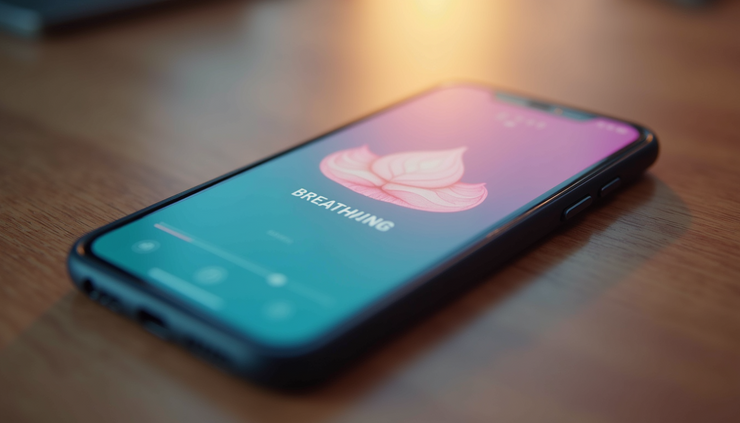
Technology can be a helpful ally when managing stress. Apps like Calm and Expand offer guided meditations, breathing exercises, and sleep stories designed to soothe the nervous system.
Calm provides a variety of sessions focused on relaxation, stress reduction, and better sleep. It also includes nature sounds and breathing timers.
Expand from The Monroe Institute offers guided imagery and Monroe Sound Science technology using targeted soundwave patterns to tap into specific areas of your conscious and subconscious minds that can free you from unwanted patterns, stimulate creativity, and foster a greater sense of meaning and purpose.
Using these apps regularly can build your resilience to holiday stress and support calm beyond the season.
Try Devices Designed to Support Nervous System Balance
Several devices can assist in calming the nervous system by encouraging relaxation and reducing anxiety. For example:
Wearable biofeedback devices that monitor heart rate variability (HRV) and guide you through breathing exercises.
TENS units (transcutaneous electrical nerve stimulation) used gently on specific points to reduce muscle tension.
Aromatherapy diffusers with calming essential oils like lavender or chamomile.
Using these tools alongside breathing and movement can enhance your ability to regulate stress naturally.

6. Progressive Muscle Relaxation
Progressive muscle relaxation (PMR) is a technique where you tense and then release different muscle groups to reduce physical tension and calm the nervous system. It’s especially useful if you notice tightness or discomfort during stressful family events.
Here’s how to do PMR:
Find a quiet place and sit or lie down comfortably.
Start with your feet, tense the muscles for 5 seconds, then release.
Move up your body, tensing and relaxing calves, thighs, abdomen, arms, shoulders, and face.
Focus on the feeling of release after each tension.
PMR helps your body recognize the difference between tension and relaxation, making it easier to let go of stress.
7. Create a Consistent Evening Routine to Signal Rest
The nervous system thrives on predictable patterns. Establishing a calming evening routine helps your body prepare for restful sleep and recovery.
Consider including:
Dimming lights or using red light bulbs in lamps an hour before bed
Turning off screens to reduce blue light exposure
Drinking a warm herbal tea such as chamomile or valerian root
Practicing a short meditation or progressive muscle relaxation
A steady routine signals your nervous system to slow down, improving sleep quality and reducing holiday-related tension.

The holidays can challenge your nervous system, but with these holistic tips, you can build natural resilience and find calm amid the busyness. Deep breathing, grounding in nature, gentle movement, supportive devices, and a soothing evening routine work together to help you feel balanced and peaceful. Start with one or two strategies that resonate with you and gradually add more. Your nervous system will thank you, not just during the holidays but throughout the year.


Comments